

Case Study
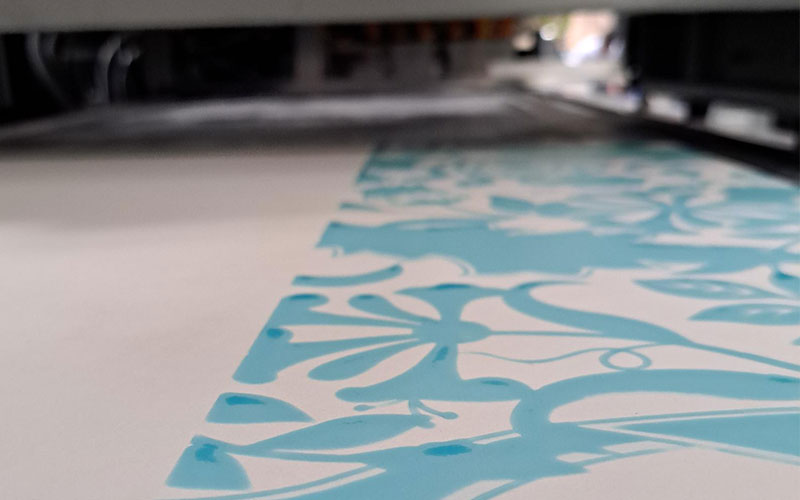
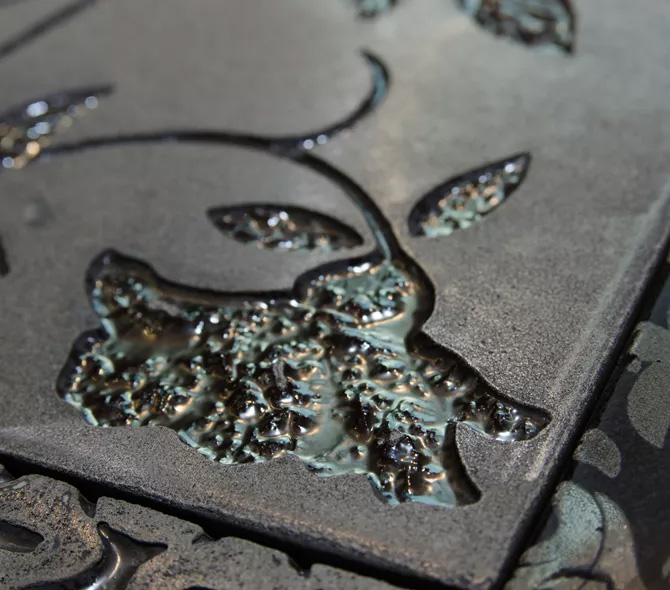
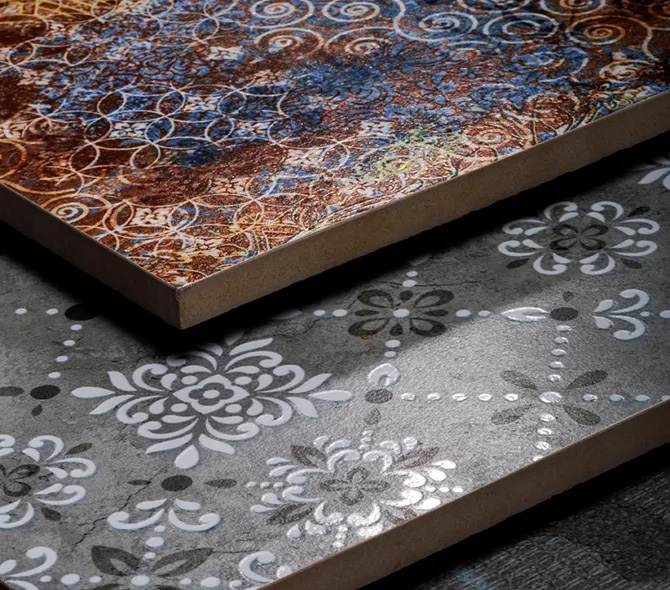
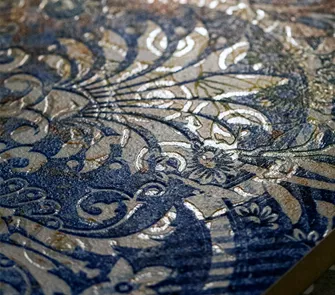
Ceramic manufacturers are adopting water-based digital glaze to unlock new levels of creativity, efficiency and production performance. Xaar’s printheads, technologies and strategic partnerships are supporting this shift, particularly for large-format tiles, slabs and sintered stone. By enabling reliable jetting of challenging aqueous formulations, high solids and larger particles, Xaar helps manufacturers deliver deep texture, matte and gloss combinations, relief effects, metallics, lustre finishes and high-thickness glaze layers with digital precision.
The client profile
Xaar supports ceramic manufacturers, equipment suppliers and materials companies with industrial inkjet technologies designed for demanding production environments. Its work in ceramics builds on more than 15 years of sector experience and close collaboration with partners including Esma glass Itaca.

The project
Ceramics is a mature and highly competitive market, with manufacturers seeking value-driven differentiation rather than price competition. Large-format tiles and slabs require greater design freedom, process efficiency and production consistency.
Water-based digital glaze has moved from early laboratory trials to industrial deployment, creating new opportunities for premium effects, high-end customisation and the flexibility needed for advanced products such as large slabs and sintered stone.
The solution
Xaar’s Ultra High Viscosity Technology allows fluids with higher pigment loads and larger particles, including glass frits, to be jetted through a broader viscosity window than traditional printheads can handle. This supports the production of deep textures, reliefs, metallics, lustre finishes and high-thickness glaze layers in a single pass.
The Xaar Aquinox printhead uses true through-flow architecture powered by TF Technology to reliably jet challenging aqueous formulations with up to 50 percent solids and particle sizes up to D90(v) ≤ 3 microns. Its high laydown capability supports glaze deposition levels up to 350 g/m² from a single printhead.
The implementation
Xaar’s partnerships are accelerating the industrialisation of
water-based digital glaze. Esma glass Itaca has collaborated with Xaar to develop high-solid, large-particle aqueous inks optimised for Aquinox.
Adoption is especially strong in China, where equipment suppliers, materials companies and leading ceramic producers are advancing digital glaze and relief solutions at commercial scale.
The impact
Outcome 1
Enables digital production of textures, reliefs, metallics, lustre finishes and high-thickness glaze layers
Outcome 2
Supports challenging aqueous formulations with up to 50 percent solids and particle sizes up to D90(v) ≤ 3 microns
Outcome 3
Helps manufacturers reduce process complexity, shorten kiln cycles and produce thinner, lighter and larger tiles without compromising quality
“As digitalisation in ceramics accelerates, we are expanding what is possible with inkjet. Our Ultra High Viscosity and High Laydown Technologies, combined with close collaboration with partners such as Esma glass Itaca, are enabling advanced effects and finishes to be delivered with digital precision and consistency.”
Michael Walsh
Director of Technical Sales, Xaar
Technical highlights
Key capabilities
Aquinox printhead with TF Technology
Ultra High Viscosity Technology
High Laydown capability up to 350 g/m² from a single printhead
Compatibility points
Water-based digital glaze
Large-format tiles, slabs and sintered stone
High-solid aqueous inks and challenging ceramic formulations
Deployment notes
Industrial deployment is advancing globally, with strong adoption in China across equipment suppliers, materials companies and leading ceramic producers.
The future
Digital glaze is helping the ceramics industry move toward greater design freedom, faster changeovers, more sustainable production and value-driven differentiation.
Speak to us about Aquinox and digital glaze technologies for ceramic production.